Condensation on Basement Walls: Cold Concrete, Humid Air
A wall that is dry all winter and beaded with water in July is not leaking. It is a cold glass on a porch in August, and every fix follows from that.
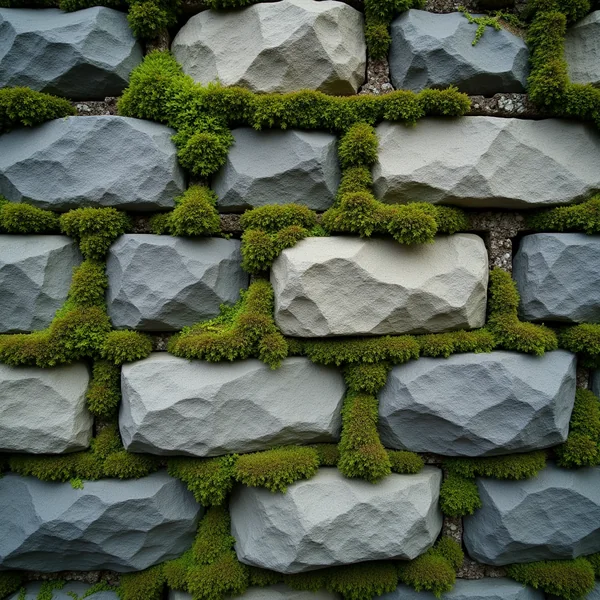
Why a below-grade wall sweats in a New York July, how to tell it from a leak with a square of foil, and the order the fixes go in.
Condensation on Basement Walls: Cold Concrete, Summer Air and the Dew Point
A basement wall that is dry all winter and beaded with water in July is
not leaking. It is doing what a cold glass does on a porch in August. The
concrete below grade sits close to the temperature of the soil around it,
which in New York stays cool through the summer, while the air coming down
the stairs or through an open window carries the humidity of a July
afternoon. Where that air touches the cool wall, the water in it comes out.
Everything about fixing it follows from that one mechanism, and most of the
ways people make it worse come from misreading it as a leak.
Why the Wall Is Cold in July
Soil a few feet down does not follow the weather. It follows the average
of the year, which across most of New York is somewhere in the low fifties
Fahrenheit, a little warmer on Long Island and a little colder in the North
Country. A poured or block foundation wall in contact with that soil sits
near it. The upper foot or so, above grade, warms with the day; the rest
stays where the ground keeps it.
Summer air in the Hudson Valley or the Finger Lakes routinely carries a
dew point in the sixties. Dew point is the temperature at which the water in
a given parcel of air starts to condense, and it is the number that matters
here, more than the relative humidity a hygrometer reads. Air with a dew
point of sixty-five touching a wall at fifty-five will wet it, no matter
what the thermostat says upstairs. That is the whole diagnosis.
Condensation or Seepage: The Foil Test
Water on a basement wall has three sources, and the fix for each is
different. Condensation forms on the room side. Seepage comes through the
concrete from wet soil outside. Vapor drive is slower than seepage but moves
the same direction, from the damp ground through the wall into the room.
A square of aluminium foil, taped to the wall on all four edges and left
for two days, separates them. If the room-side face of the foil is wet, the
moisture came from the air: condensation. If the wall-side face is wet and
the room side is dry, the moisture came through the concrete: seepage or
vapor drive. Both at once is common in a New York basement in August and
means both problems need attention. A chalky white deposit on the wall is a
further sign of water moving through the concrete, since it is dissolved
mineral left behind as that water evaporates on the room side.
Timing helps too. A wall that is wet only after rain has a bulk-water
problem outside. A wall that is wet on the hottest, stickiest days
regardless of rain has an air problem inside. A wall that is wet in January
near the top, where the rim joist meets the foundation, has a cold-surface
problem that belongs with winter window condensation
rather than with the summer kind.
Why Opening the Windows Makes It Worse
The instinct when a basement smells damp is to air it out. In New York
summer that brings in more of exactly the air that caused the problem. The
outdoor air has a higher dew point than the basement, so every exchange
deposits more water on the walls. A basement dries in summer by being closed
to outdoor air and either dehumidified or warmed at the wall surface, not by
ventilation. The reverse is true in winter, when outdoor air is dry and
bringing it in helps, which is why the advice sounds contradictory until the
dew point is the thing you are tracking.
The Order the Fixes Go In
Basement moisture work has a sequence, and doing it out of order is how a
dehumidifier ends up running around the clock against a problem it cannot
win.
First, the water outside
Downspouts that end at the foundation, grade that slopes toward the house,
and window wells with no drainage put water against the wall, and no interior
work overcomes that. This is also the least expensive step, often a
downspout extension and an afternoon with a rake.
Second, the air leaks
Humid air reaches the basement through the rim joist, the bulkhead door,
the dryer vent, and every penetration for pipes and wires. A
blower door test finds them in an hour, and sealing
them is the same work that comes before a heat pump
for the rest of the house. Upstairs, a bathroom fan that actually runs long
enough after a shower, whether on a timer or a
humidity sensor, keeps that moisture from settling
downward into the coolest part of the house.
Third, the wall surface
Once the wall is no longer bathed in outdoor air, there are two ways to
stop it condensing: dry the air until its dew point is below the wall
temperature, or warm the wall surface until it is above the dew point.
Dehumidification does the first. Insulation does the second, and it is the
only one of the two that is permanent.
Insulating the Wall So It Stops Sweating
The insulation that fixes condensation is the kind that goes directly
against the concrete and keeps room air from ever reaching it. Rigid foam
board, sealed at the seams and at the top and bottom, does this: the foam
face is close to room temperature, the concrete behind it stays cool, and
the two never meet. Spray foam applied to the wall does the same. Mineral
wool can work in a wall assembly designed for it, provided something else
stops the air movement to the concrete.
What does not work, and what most older New York basements were finished
with, is a wood-framed wall with fiberglass batts and a plastic sheet on the
room side. Room air reaches the concrete through the batts, condenses, and
the plastic traps it in the framing. The vapor barrier
question gets its own article because the answer depends on which side
of the wall the moisture is arriving from, and in a basement it is usually
both.
Foam plastic inside a building carries a fire rule: in most situations it
has to be covered by a thermal barrier, usually drywall, before the space is
used. Whether an unfinished basement needs that cover, and which foam
products are accepted bare, is decided by the code path your address falls
under, the New York State Uniform Code outside the city and New York City’s
own construction codes inside it. That is a question for the building
department or the installer, not a detail to assume.
The wall insulation also changes the arithmetic on the rest of the
basement. A cold foundation wall is where a good share of a ground floor’s
heat goes, alongside the slab edge, so the same work
that stops summer condensation lowers the winter heating load on whatever
system sits upstairs.
Dehumidifiers and the Water Heater That Does It for Free
A dehumidifier is the right tool while the outdoor water and the air
leaks are being dealt with, and in a basement that is dry but still humid it
may be the whole answer. Size it for the space, drain it to a floor drain or
a condensate pump rather than a bucket, and set it by the dew point you are
trying to get below, not to the lowest setting on the dial. The
crawl space version of this advice is the same:
last step, not first.
There is one appliance that dehumidifies as a side effect. A heat pump
water heater pulls heat out of the basement air to make hot water, and
cooling that air wrings water out of it into a drain. In summer that is
free dehumidification. In winter it is a cooler basement, which is the
subject of its own article. A New York home switching
away from a gas or oil water heater often finds the damp-basement problem
shrinks in the same season.
Pipes That Sweat
Cold-water pipes in the same basement sweat for the same reason the wall
does: they are below the dew point of the air around them. Pipe insulation
fixes it, because it keeps the air from touching the cold copper, exactly
as foam board keeps it from touching the concrete. A pipe that drips in
August is worth reading as a warning that the walls are close to doing the
same.
Reading the Symptoms
| What you see | Likely cause | First move |
|---|---|---|
| Beads on the room side of the foil | Condensation from humid indoor air | Close windows, dehumidify, plan wall insulation |
| Wet behind the foil, dry in front | Seepage or vapor drive through the concrete | Grading, downspouts, drainage outside |
| Wet only after rain | Bulk water against the wall | Downspout extensions, regrade, window well drains |
| Wet on hot sticky days, any weather | Outdoor air reaching a cold wall | Air seal the rim and bulkhead, stop ventilating in summer |
| Chalky white deposit | Mineral left by water moving through the wall | Treat as seepage; do not seal from inside first |
| Damp at the top of the wall in winter | Cold rim joist meeting warm indoor humidity | Air seal and insulate the rim, lower indoor humidity |
| Dripping cold-water pipes | Pipe below the dew point | Pipe insulation; treat as an early warning for the walls |
Where the Programs Come In
Basement air sealing and foundation wall insulation are ordinary
weatherization measures, and New York’s residential energy programs treat
them that way. The usual entry point is a home energy assessment, which
identifies the air leaks and the uninsulated foundation as part of the same
list as the attic, and the assessment is also what a contractor uses to
scope the work. Which program applies, and what it pays toward, depends on
household income and the utility serving the home, and the current figures
belong on the program’s own pages rather than here. What matters for the
damp wall is that the fix for it is also the fix the programs are built
around, so the two questions can be asked together.
A basement wall that sweats every July is telling you where the heat
leaves in January. Stop the water outside, close the air leaks, put the
insulation against the concrete, and the same wall stops doing both.
Frequently Asked Questions
Why is there condensation on my basement walls only in summer?
The wall below grade stays near soil temperature all year, which in New York is roughly the low fifties. Summer air carries a dew point in the sixties, so wherever it touches the cooler wall the water in it comes out. In winter the indoor air is drier than the wall is cold, so the walls stay dry and the problem moves to windows and the rim joist.
How do I tell condensation from a leak?
Tape a square of aluminium foil to the wall on all four edges and leave it two days. Wet on the room side means condensation from the air. Wet on the wall side means water is coming through the concrete. Both at once is common and means two separate fixes.
Should I open the basement windows to dry it out?
Not in summer. Outdoor air in a New York summer has a higher dew point than the basement, so ventilating brings in more of the water that is condensing. Keep it closed and dehumidify, or warm the wall surface with insulation. In winter the outdoor air is dry and ventilation helps.
Will a dehumidifier fix condensation on basement walls?
It will lower the air’s dew point below the wall temperature, which stops the condensation while it runs. If the basement is still taking in humid outdoor air through the rim joist and bulkhead, it runs constantly and never catches up. Seal the leaks first, then size the dehumidifier for what is left.
What insulation stops a basement wall from sweating?
Insulation applied directly to the concrete, with no air path between the room and the wall: rigid foam board sealed at the seams, or spray foam. The room-side face stays warm and the concrete stays cool behind it, so the two never meet. A framed wall with fiberglass and a plastic sheet does the opposite and traps water in the framing.
Does the foam need to be covered?
Usually. Foam plastic inside a building generally has to be covered by a thermal barrier such as drywall, with some products accepted bare in some situations. Which applies to an unfinished basement is set by the code path for your address, the State Uniform Code outside New York City and the city’s own codes inside it, so ask before assuming.
Why do the cold-water pipes drip in summer?
For the same reason the walls sweat: the pipe is below the dew point of the air around it. Pipe insulation keeps the air off the cold copper. Dripping pipes are an early warning that the walls are close to condensing too.
Does a heat pump water heater help with a damp basement?
Yes, as a side effect. It cools the basement air to make hot water, and cooling the air condenses water out of it into the unit’s drain. In summer that is free dehumidification. The trade is a cooler basement in winter, which has its own considerations.
NY Solar Incentives
Independent New York solar research. We summarise NYSERDA, NY-Sun and federal programme rules from published sources and state plainly when a figure is an estimate. We are not a government agency and do not sell equipment.
Run the arithmetic on your own system
Check the dated program table and your arrangement before counting an incentive. Standard residential NY-Sun blocks are closed; Long Island Affordable Solar has a conditional income-verification route. The NY credit depends on qualified costs and tax liability, while the NYC abatement reduces future property-tax bills. The estimator keeps those timings separate.