Solar for NYC Apartments and Co-ops
Most New York City households cannot install solar because they do not own the roof. That leaves three real options, and one of them requires no equipment at all.
On this page 8 sections
- 01Solar panels for NYC apartments come down to who owns the roof
- 02Community solar is the route that needs no roof
- 03Income-qualified households have a dedicated route
- 04What a co-op or condo board actually has to decide
- 05The three options side by side
- 06Plug-in balcony panels are not an approved path here
- 07Why the tax picture now favours subscriptions and third-party ownership
- 08Frequently asked questions
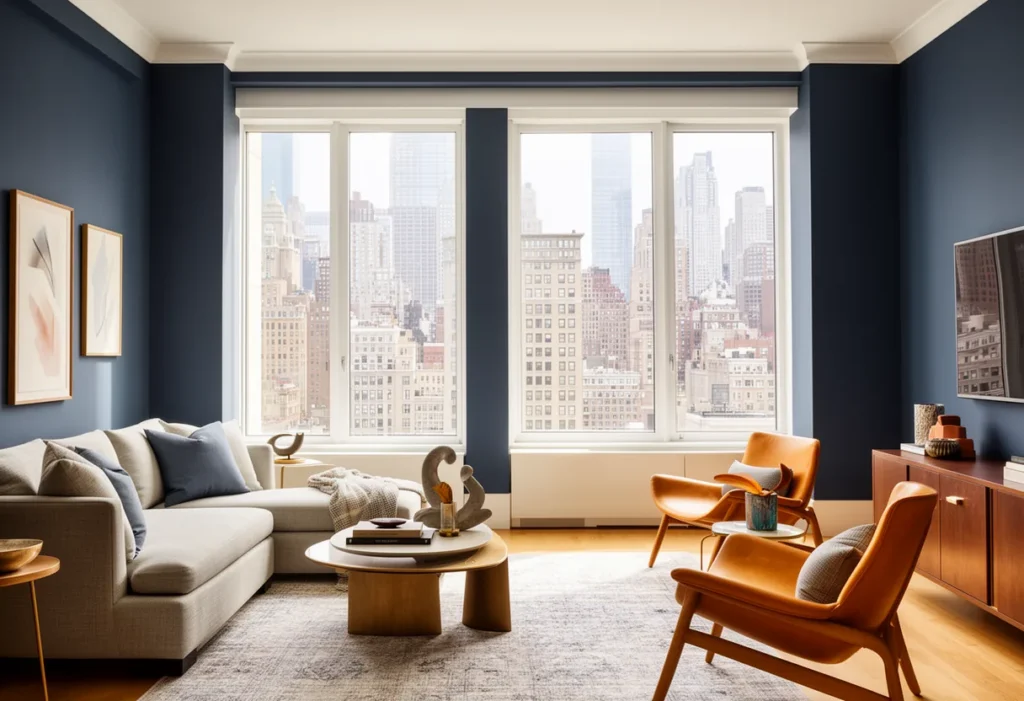
Solar panels for NYC apartments run into a problem that no amount of technology solves: the roof belongs to someone else. In a rental it belongs to the landlord. In a co-op or condominium it is a common element controlled by the board.
That is why the majority of New York City households cannot simply buy a rooftop system, and why the useful question is not which panels to choose but which of three structures applies. Two of them involve no equipment on your building at all.
Solar panels for NYC apartments come down to who owns the roof
In a rental building, the roof is the landlord’s asset. A tenant has no right to install equipment on it, and a landlord who does install solar generally uses it to offset the building’s own common-area load rather than individual apartment bills.
In a co-op, the shareholder owns shares in the corporation and holds a proprietary lease on the apartment, not on the roof. In a condominium, the roof is a common element governed by the board and the declaration. In both cases an individual owner cannot commission rooftop work unilaterally.
The practical consequence is that most apartment residents reach solar through a subscription to an off-site array rather than through construction on their own building.
Community solar is the route that needs no roof
Community solar, formally community distributed generation in New York, lets a household subscribe to a share of an off-site array within the same utility zone. The array’s output produces bill credits that are applied to the subscriber’s own utility account.
No equipment is installed at the apartment, no board approval is needed, and the arrangement is generally portable if you move within the same utility territory. Subscribers typically pay for the credits at a discount to their face value, which is where the saving comes from.
The mechanics, the contract terms worth reading, and how cancellation works are covered in the guide to community solar in NYC and in the broader explainer on the New York community solar programme.
Read the exit terms before the savings claim
The most important clauses in a community solar contract are the notice period for cancellation, whether there is an early termination fee, and what happens if you move. Ask for those three answers in writing before signing. A subscription that saves a modest amount but exits cleanly is usually better than an aggressive discount with a long lock-in.
Income-qualified households have a dedicated route
NYSERDA runs programmes aimed specifically at low and moderate income households, including subscription arrangements structured so that participation does not require credit checks or upfront payment. These are relevant to a large share of New York City apartment residents.
Eligibility is generally tied to household income or to participation in an existing assistance programme, and the terms are set by NYSERDA rather than by the individual developer. What is currently available and who qualifies is set out in the guide to NYSERDA Solar for All, and current eligibility should be confirmed with NYSERDA directly.
What a co-op or condo board actually has to decide
A building-scale rooftop project is possible in a co-op or condominium, and some New York City buildings have done it. It is a governance project before it is an engineering one.
The board has to settle four things: whether the building owns the system or a third party owns it and sells the output, how the roof warranty and any future reroofing are handled, how the electricity or the credits are allocated among residents, and who carries the ongoing maintenance obligation.
Metering determines much of this. In a master-metered building, solar directly reduces the building’s own consumption and the benefit flows through maintenance charges or common charges. In an individually metered building, the roof system will normally serve the house meter, and reaching residents’ individual accounts requires the project to be structured so that credits can be allocated to them, which is a specific arrangement made with the utility rather than an automatic feature.
The three options side by side
| Option | Who owns the equipment | What you need first | What you receive |
|---|---|---|---|
| Community solar subscription | An off-site project developer | A utility account in your name | Bill credits at a discount to face value |
| Building-owned rooftop system | The co-op or condo corporation | Board approval and capital or financing | Reduced building load and running costs |
| Third-party rooftop system on your building | An outside company under a lease or PPA | Board approval and a roof agreement | Output or credits at a contracted rate |
| Landlord-owned system in a rental | The building owner | Nothing you can initiate | Usually offsets common areas, not your bill |
Plug-in balcony panels are not an approved path here
Small plug-in solar kits that push power into a wall socket are sold widely in some European markets. New York does not have a recognised interconnection pathway for that arrangement, and city electrical code requirements for permitting, listed equipment and licensed installation still apply.
Anything that back-feeds a building’s wiring is an electrical installation, not an appliance. Before buying such a kit, confirm directly with the utility and with the Department of Buildings whether it can be legally connected, because the answer determines whether it is usable at all.
Panels used purely off-grid to charge a battery or a device, with no connection to building wiring, are a separate matter and raise different questions about building rules and window or balcony restrictions.
Why the tax picture now favours subscriptions and third-party ownership
The federal residential clean energy credit under section 25D ended for expenditures made after 31 December 2025. An expenditure counts as made when the original installation is completed, so a system finished in December 2025 but switched on in January 2026 still falls under the old rules. A household that buys its own system today claims nothing on its federal return, with no phase-down. Systems whose installation was completed in 2025 fell under the previous rules and unused credit from that year can generally be carried forward.
A separate business-side credit continues to apply to the company that owns a leased, PPA or community solar project. That company is a business claiming a business incentive, and the resident never claims it directly. It does, however, affect the economics of what that company can offer, which is part of why third-party structures and community solar have held their pricing better than outright purchase since the change.
New York’s own credit for solar energy system equipment remains, and it is unusual in that it can apply to qualifying lease and power purchase agreements of sufficient length as well as to purchases, subject to a statutory cap and claimed on Form IT-255. Whether a specific arrangement qualifies depends on its terms, which is worth checking against the guide to solar PPAs in New York and confirming with the New York State Department of Taxation and Finance.
Frequently asked questions
Can I put solar panels on my apartment balcony or window in NYC?
Plug-in kits that feed power back into a wall socket do not have a recognised interconnection pathway in New York, and any connection to building wiring is an electrical installation subject to permitting and licensing rules. Building house rules and facade restrictions may also apply. Confirm with the utility and the Department of Buildings before buying anything of that kind.
How does community solar reach my bill if the panels are miles away?
The off-site project’s output is metered and converted into bill credits, which the utility applies to subscriber accounts within the same service territory. You pay the developer for those credits at less than their face value, and the difference is your saving. No equipment is installed at your apartment and no board approval is involved.
What can a co-op board realistically do?
A board can commission a rooftop system, either owned by the corporation or owned by a third party that sells the output to the building. It must first resolve roof warranty and reroofing responsibility, how the benefit is allocated among residents, and who maintains the system. Whether the building is master metered or individually metered changes how residents see the benefit.
Do apartment residents get any tax credit for community solar?
The federal residential credit ended for expenditures made after 31 December 2025, and community solar subscribers do not claim a federal credit in any case, since the project company holds the business-side incentive. New York’s state credit for solar energy system equipment can apply to certain qualifying long-term agreements, subject to a cap and claimed on Form IT-255. Whether a specific subscription qualifies depends on its terms, so check with the New York State Department of Taxation and Finance.
Programme terms change, so confirm them
Community solar discount rates, income-qualified eligibility rules, state credit caps and utility crediting arrangements are all revised from time to time. Verify current terms with NYSERDA, the New York State Department of Taxation and Finance and your utility before signing a subscription or approving a building project. This site is independent and is not affiliated with NYSERDA or any government agency.
NY Solar Incentives
Independent New York solar research. We summarise NYSERDA, NY-Sun and federal programme rules from published sources and state plainly when a figure is an estimate. We are not a government agency and do not sell equipment.
Run the arithmetic on your own system
Check the dated program table and your arrangement before counting an incentive. Standard residential NY-Sun blocks are closed; Long Island Affordable Solar has a conditional income-verification route. The NY credit depends on qualified costs and tax liability, while the NYC abatement reduces future property-tax bills. The estimator keeps those timings separate.