Direct Burial Cable vs Conduit: Depth, Repairs and Future Pulls
Both methods are legal for most of the same trenches. They differ in how deep the trench goes, what happens on the day something fails, and what you can pull through ten years from now.
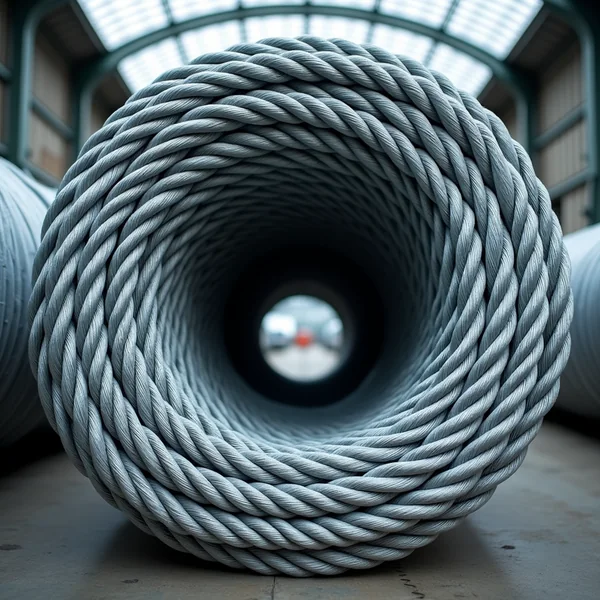
How the two underground wiring methods differ in trench depth, what each does when it fails, and what each lets you add later.
Direct Burial Cable vs Conduit: Depth, Repairs and Future Pulls
Almost every electrification project that leaves the house ends up in a
trench. An EV charger in a detached garage, a mini split for a workshop, a
ground-mounted solar array, a well pump, a shed with one outlet: each needs
conductors carried underground, and the first decision is whether those
conductors go into the earth on their own or inside a pipe. The two methods
are legal for most of the same jobs. They differ in how deep the trench has
to be, what happens on the day something fails, and what you can do with the
run ten years from now.
What Direct Burial Actually Means
Direct burial cable is a cable whose jacket is rated to sit in contact with
soil, indefinitely, wet. The common residential type is underground feeder
cable, usually labelled UF-B, which looks like the flat cable used inside
walls but has a solid moulded jacket instead of a paper-wrapped one. For
larger feeders there are individual conductors rated for underground service
entrance use, which can also be buried on their own. What cannot be buried is
ordinary interior cable of any size: its jacket is not built for water, and
it fails from the inside once moisture gets past the ends.
The cable goes into the trench, sand or screened soil goes around it, and
the ground closes over it. Nothing else is in the trench except, ideally, a
strip of warning tape a few inches above the cable so that the next person to
dig finds the tape before the shovel finds the cable.
What Conduit Changes
Conduit is a pipe buried in the trench with the conductors pulled through
afterwards. Underground, the usual choice is grey PVC electrical conduit,
solvent-welded at the joints, with a heavier-walled grade where the pipe
comes up out of the ground and can be hit by a mower or a car. Rigid metal
conduit is also used, and it earns a shallower trench because the pipe itself
is the physical protection.
One point catches people out: an underground conduit is treated as a wet
location, even though the pipe is sealed. Water finds its way in through
joints and condensation, and it sits in low points. So the conductors inside
have to carry a wet-location rating anyway. The conduit does not make the
wire dry; it makes the wire replaceable.
How Deep the Trench Has to Be
Burial depth is set by a cover table in the electrical code, and the number
depends on the wiring method, not on the size of the circuit. Read as a
pattern rather than a rulebook: direct burial cable needs the deepest cover of
the common residential methods, nonmetallic conduit sits in the middle, and
rigid metal conduit needs the least because the metal does the protecting.
There is a reduced-cover exception for a small residential branch circuit
protected by a ground-fault device, which is why a single outlet to a shed is
often a shallower job than a garage feeder. Cover is measured from the top of
the cable or pipe to finished grade, not from the bottom of the trench.
Which table applies is a New York question with two answers. Outside the
five boroughs, the New York State Uniform Code adopts a national electrical
code edition and local building departments enforce it, often through a
third-party electrical inspection agency. Inside the city, the NYC Electrical
Code is a separate document with its own edition and amendments, enforced by
the Department of Buildings. The depth pattern is the same in both, but the
exact figures, and what the inspector wants to see before backfill, come from
whichever code your address falls under. An installer who works across the
line will know both; a homeowner comparing quotes should ask which one the
quote was written against.
Before any of this, New York’s one-call law applies. Dig Safely New York
has to be notified before excavation so that gas, water, telephone and the
utility’s own service lines get marked. The call is free and it is not
optional, even on your own lawn.
Frost, Rocks and the Difference Between Cover and Comfort
Code cover is a minimum against shovels. It says nothing about frost.
Across upstate New York the frost line runs far deeper than any electrical
cover figure, and each winter the soil above it swells and shifts. A direct
burial cable rides that movement on its own. Over years, a rock working
against the jacket, or a heave stretching the cable where it enters a
building, is how a run that passed inspection develops a fault. Conduit does
not stop the soil moving, but it lets the conductors move inside a pipe
instead of grinding against stone.
Soil matters as much as climate. Much of the Hudson Valley, the Catskills
and the Southern Tier sits on glacial till and ledge, where a clean trench is
hard to dig and clean backfill has to be brought in. Sand bedding around a
direct burial cable is what keeps it alive in ground like that. In heavy clay
that holds water, the wet-location question becomes the whole question, and
the answer is usually a pipe.
The Day It Fails
Most buried runs never fail. When one does, the two methods diverge
completely.
A faulted direct burial cable has to be found and dug up. Locating gear can
narrow the spot, but the fix is a trench, a splice in an underground-rated
splice kit, and a second trench if there is a second fault. Under a lawn this
is a bad afternoon. Under a paved driveway or a patio it is a demolition
job.
A faulted conductor inside conduit is pulled out through the nearest box
and a new one is pulled in. Nothing is dug. This is the whole argument for
conduit under anything you would not want to break, and it is why installers
default to it beneath driveways, walkways and slabs even when the code would
accept cable there.
What You Can Add Later
An electrification plan rarely stays the size it started at. The garage
that gets a charger this year wants a mini split next winter, and the
ground-mount array sends its own communication wiring back to the house.
Conduit sized with spare room is how a trench gets dug once. The fill rule
limits how much of the pipe’s cross-section the conductors can occupy, so a
pipe one size larger than today’s run needs is what leaves room for
tomorrow’s. A pull string left in the empty space costs nothing and saves
the first hour of every later job.
Direct burial cable offers none of that. Each new circuit is a new trench,
or a new cable laid alongside the old one with the same excavation. If the
detached building will ever carry more than one circuit, the trench is the
place to spend a little more now.
There is one thing conduit does not let you do: mix low-voltage and
line-voltage wiring in the same pipe. Ground-mount solar sites often run a
second, smaller conduit for monitoring and rapid-shutdown signalling for that
reason, and a charger with a network connection may need the same.
Where the Run Comes Out of the Ground
Both methods share a rule at the ends. Where a direct burial cable rises
to the surface it has to be sleeved in conduit from below grade to a set
height above it, so the exposed length is not the cable’s own jacket. Where a
PVC conduit emerges it has to be the heavy-walled grade wherever it can be
struck, and long runs need an expansion fitting because PVC grows and shrinks
with temperature far more than the ground it sits in. Both need the entry
into the house or garage sealed against water and, for a conduit, against
the migration of gas or moisture along the pipe into the panel.
Side by Side
| Question | Direct burial cable | PVC conduit | Rigid metal conduit |
|---|---|---|---|
| Trench cover | Deepest of the three | Middle | Shallowest |
| Conductors | Cable jacket rated for soil contact | Individual wet-rated conductors | Individual wet-rated conductors |
| After a fault | Dig, splice, backfill | Pull out, pull in | Pull out, pull in |
| Adding a circuit | New trench | Pull into spare capacity | Pull into spare capacity |
| Rocky or wet soil | Needs clean bedding | Tolerant | Tolerant |
| Under a driveway or slab | Repair means demolition | Preferred | Preferred |
| At the surface | Sleeved in conduit | Heavy-walled grade, expansion fitting | Corrosion protection where it meets soil |
| Typical fit | One circuit to a shed or post light | Garage feeder, charger, ground-mount array | Where physical damage is likely |
The Feeder to a Detached Building Has Its Own Rules
Whichever method carries it, a feeder to a detached garage or workshop
brings two requirements that a single branch circuit does not. It needs an
equipment grounding conductor run with the circuit conductors, so a direct
burial feeder is a four-wire cable rather than three, and the detached
building needs its own grounding electrode where it has more than one circuit.
The conductor sizing itself follows the same logic as the service
entrance cable, with one addition: a long underground run often has to be
sized up for voltage drop rather than for ampacity, because a charger at the
far end of a long lawn spends its evenings pulling a steady load through every
foot of it.
Choosing for the Job in Front of You
- One outlet or a post light on a lawn. Direct burial cable,
bedded in sand, with the reduced-cover exception if the circuit qualifies for
it. This is what the method was designed for. - A charger in a detached garage. Conduit, a size larger
than the feeder needs, because the dedicated
circuit a charger wants is rarely the last thing that building will draw.
The charger’s own enclosure rating handles the weather
above ground; the trench handles it below. - A ground-mounted array. Conduit, almost without
exception, and often two of them. The ground-mount
decision already accepts a trench; making it a pipe is a small part of
the cost. - A well pump. Either method appears in practice, but the
constant-pressure controllers now common in new wells
are sensitive to voltage drop, which pushes the run toward larger conductors
that are easier to pull than to bury. - A generator inlet at the far side of the house. This is
usually a surface run rather than a buried one; the inlet
itself has its own placement rules.
What the Inspector Looks At
An underground run is inspected open. The trench has to be seen at depth,
with the cable or conduit in it, before backfill, which means the schedule has
to leave the trench open for a day or two. What the inspector checks is the
cover, the bedding, the warning tape where required, the sleeving at the
surface, the wet-location rating on the conductors, and the protection on the
circuit, which for outdoor and garage circuits often means a
ground-fault device at the source. That is the same
shape of visit as a solar electrical inspection: the
work has to be visible, and the paperwork has to match the trench.
None of this tells you whether a given installation is acceptable. It tells
you what the question turns on, so that when an electrician says the garage
feeder is going in conduit at a certain depth under the driveway and in cable
under the lawn, you know why both answers can be right on the same
property.
Frequently Asked Questions
Does direct burial cable need conduit?
Not along the buried run; that is what the soil-rated jacket is for. It does need to be sleeved in conduit wherever it rises out of the ground, from below grade to a set height above it, and at any point where it could be struck. The sleeve protects the exposed length, not the buried one.
Can I bury ordinary interior cable if I put it in conduit?
No. An underground conduit is treated as a wet location because water gets in through joints and condensation, so the conductors inside must carry a wet-location rating. Interior cable does not, and its jacket fails once moisture reaches the paper wrap inside it.
Why does direct burial cable need a deeper trench than conduit?
Cover depth is about protection from digging. A cable has only its jacket between it and a shovel, so the code asks for the most earth over it. Nonmetallic conduit adds a pipe and earns a shallower trench; rigid metal conduit adds a steel pipe and earns the shallowest of the three.
Is the code depth the same in New York City and the rest of the state?
They are two separate code paths. Outside the city the New York State Uniform Code adopts a national electrical code edition; inside it the NYC Electrical Code is its own document with its own edition and amendments. The pattern is the same, but the figures and the inspection process come from whichever applies to your address.
Does the frost line change how deep the cable goes?
Not in the code, which sets cover as protection from digging rather than from cold. It changes what the run lives through: upstate frost goes far deeper than any electrical cover figure, and years of soil movement are how a direct burial cable develops a fault at a rock or a building entry. Conduit lets the conductors move inside a pipe instead.
What happens when a buried cable fails?
It has to be located and dug up, then repaired with an underground-rated splice kit and reburied. Under a lawn that is a trench; under a driveway or patio it means breaking the surface. Conductors in conduit are pulled out and replaced through the nearest box without digging.
Can I run the charger feeder and the internet cable in the same conduit?
Low-voltage and line-voltage wiring are kept in separate raceways, so a networked charger or a ground-mount array’s monitoring line normally gets a second, smaller conduit in the same trench. Digging once and laying two pipes is the usual answer.
Do I have to call before digging on my own property?
Yes. New York’s one-call law requires notifying Dig Safely New York before excavation so that buried gas, water, telephone and utility service lines can be marked. The notification is free, and the marks tell your electrician where the trench cannot go.
NY Solar Incentives
Independent New York solar research. We summarise NYSERDA, NY-Sun and federal programme rules from published sources and state plainly when a figure is an estimate. We are not a government agency and do not sell equipment.
Run the arithmetic on your own system
Check the dated program table and your arrangement before counting an incentive. Standard residential NY-Sun blocks are closed; Long Island Affordable Solar has a conditional income-verification route. The NY credit depends on qualified costs and tax liability, while the NYC abatement reduces future property-tax bills. The estimator keeps those timings separate.