Crawl Space Dehumidifier: The Last Step, Not the First
Roof water, bare soil, humid outdoor air through the vents, and leaks inside. Deal with those four and the dehumidifier has a job. Skip them and it has a career.
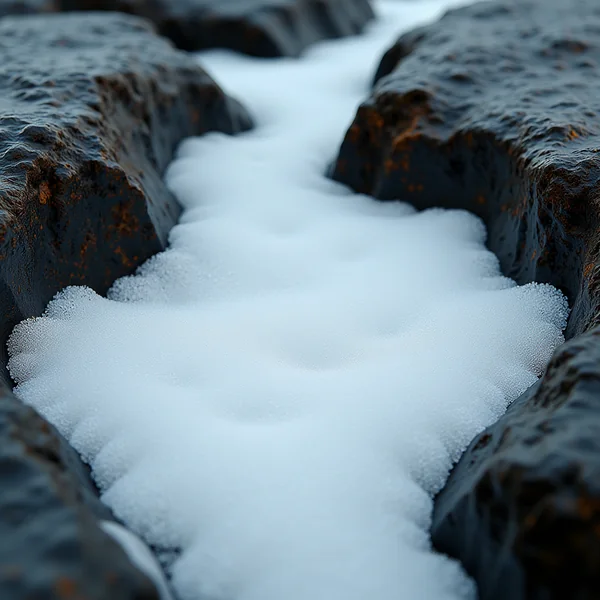
A machine running permanently is usually a sign of an unsolved water problem — and in a properly sealed crawl space it is exactly the right final piece.
A Dehumidifier Is the Last Step
A crawl space that needs a dehumidifier running permanently is usually a
crawl space with an unsolved water problem. The machine will control the
symptom, and it will do it for as long as it runs and no longer, at a cost in
electricity and eventual replacement.
That does not mean it is wrong. In a properly encapsulated crawl space a
dehumidifier is the correct final piece. The distinction is whether it is
finishing the job or substituting for it, and the way to tell is to work
through where the water is actually coming from first.
The four sources, in the order they should be dealt with
- Liquid water from outside. Roof water discharged next to
the foundation, ground sloping toward the house, a failed or absent perimeter
drain. This is the largest source in most cases and it is fixed outside, with a
shovel and gutter extensions, not with equipment. - Vapour from the soil. Bare earth in a crawl space
evaporates continuously, and it is a very large quantity over a season. A
sealed ground cover is what stops it, and it is the single most effective item
on this list. - Humid outdoor air through the vents. The one people get
backwards. On a humid summer day, outdoor air entering a cool crawl space is
brought below its dew point by the cool surfaces, and it deposits water there.
Ventilation in that condition is not drying the space, it is supplying the
moisture. - Water from inside the house. A plumbing leak, a
condensing drain line, or a clothes dryer vented into the space rather than
outdoors. Rare, easily found, and worth ruling out before spending
anything.
Only after those four are addressed does a dehumidifier have a defined job:
holding the residual humidity of a sealed space at a sensible level.
Vented or encapsulated: pick one properly
| Vented crawl space | Encapsulated | |
|---|---|---|
| The idea | Outdoor air carries moisture away | The space is sealed from the ground and the outdoors and treated as part of the building |
| Where the insulation goes | In the floor above, between the joists |
On the perimeter walls, with the floor above left open |
| Summer behaviour in New York | Poor — humid outdoor air condenses on cool surfaces |
Good, provided it is genuinely sealed |
| Needs a dehumidifier? | It cannot help much, because it is dehumidifying the outdoors through open vents |
Yes, usually, as the final control |
| Effect on ducts and pipes down there | They sit in an uncontrolled space |
They sit in a semi-conditioned one, which is a substantial improvement |
The failure that produces most complaints is the half measure: vents sealed
but no ground cover, or a ground cover laid loose but the walls and rim left
open. A sealed space with a moisture source inside it is worse than a vented
one, and it is what people mean when they say encapsulation made things
worse.
What encapsulation actually involves
- A ground cover over the whole floor, lapped at the seams
and sealed, and turned up and attached to the walls rather than stopping at the
edge. - Insulation on the perimeter walls, which moves the
thermal boundary from the floor above down to the walls. Material choice
matters here because it is a below-grade condition — the comparison is in
open cell against closed cell, and the same reasoning
about what survives against soil applies at
a slab edge. - Sealing the rim joist, which is usually the largest air
leak in the assembly and is frequently skipped. - Closing the vents, last, once the ground cover is in.
- Dealing with combustion appliances. Anything down there
that burns fuel and draws its combustion air from the space changes this from a
weatherization job into a safety question, and it is not a decision to make
from an article. Which requirements apply depends on where the property sits,
because New York State’s Uniform Code and New York City’s own requirements are
separate paths on separate adoption cycles — a question for the authority
having jurisdiction.
Choosing the machine, once it is the right answer
A dehumidifier for a crawl space is not the appliance sold for a bedroom,
and the differences are functional rather than marketing:
- Low-temperature operation. A crawl space is cool, and an
ordinary unit’s coil ices up and stops removing water. Equipment made for this
either operates at low temperature or defrosts itself. - A gravity drain, not a bucket. Nobody empties a bucket in
a crawl space, and a full bucket is a machine that has stopped. Plumb it to a
drain or a condensate pump, and route the line so a blockage is visible. - Capacity matched to a sealed space, not to a wet one.
Sizing for the moisture load of an unsealed crawl space is sizing for a problem
you should have fixed. - A humidistat you can actually read. Remote or app-based
monitoring earns its place here, because the space is one nobody visits. A
machine that failed in April and is discovered in September has protected
nothing. - Filter access. Same argument as
equipment in an attic: maintenance that is hard to reach
is maintenance that does not happen.
What to set it to, and what to expect
The target is a relative humidity low enough to keep the wood dry and mould
inactive, and the number that matters is measured at the space rather than
guessed. Wood moisture content is the more direct measurement if you have a
meter, and a persistent reading in the damp range means the source work is not
finished, whatever the humidistat says.
Expect the machine to work hard for the first few weeks after
encapsulation, drying out material that has been wet for years, and then to
settle into short cycles. A unit that never settles is telling you there is
still a source.
What it does for the rest of the house
A crawl space is not sealed from the living space in the way people assume.
Air moves upward through the building, so what is in the crawl space ends up
in the rooms above — which is the argument for treating it as part of the
building rather than as outdoors.
Getting it right also changes the environment for anything installed down
there. Ducts in a semi-conditioned crawl space lose far less than ducts in a
vented one, and equipment with an operating temperature range does better in a
space that no longer swings with the weather — the same reasoning as in
whether a heat pump water heater will freeze a basement.
The general case for doing this before choosing heating equipment is in
why air sealing comes first, and the measurement that
tells you whether the sealing worked is a
blower door test before and after.
One caution that applies to the whole approach: sealing an assembly changes
where it can dry to, and an assembly that can no longer dry in either direction
is a new problem. That is the same trap described for
a basement wall vapour barrier, and it is the reason
the ground cover and the wall treatment have to be designed together rather
than added one at a time by different people.
Frequently Asked Questions
Do I need a dehumidifier in my crawl space?
Only after the water sources are dealt with. Roof water and grading outside, a sealed ground cover over bare earth, and closing the space to humid outdoor air all come first. In a properly encapsulated crawl space a dehumidifier is the correct final control. In an unsealed one it runs continuously, controls the symptom while it runs, and hides the problem.
Don’t crawl space vents dry it out?
In a humid New York summer they usually do the opposite. Outdoor air entering a cool crawl space is brought below its dew point by the cool surfaces and deposits its moisture there. Ventilation in that condition is supplying water rather than removing it, which is why sealing the vents is part of the standard fix rather than a risk.
What is the single most effective thing to do?
A sealed ground cover over bare earth, if there is bare earth. Soil evaporates continuously and the quantity over a season is very large. The cover has to run over the whole floor, be lapped and sealed at the seams, and turn up and attach to the walls rather than stopping at the edge. Outside that, fixing roof water and grading is the other large item.
Can encapsulation make things worse?
A half-done one can. Sealing the vents without a ground cover, or laying a cover loose while leaving the walls and rim joist open, produces a sealed space with a moisture source inside it, which is worse than a vented one. Sealing also changes where an assembly can dry to, so the ground cover and the wall treatment have to be designed together.
Is a regular room dehumidifier good enough?
Usually not. A crawl space is cool, and an ordinary unit’s coil ices up and stops removing water at low temperature. It also has a bucket, and nobody empties a bucket in a crawl space, so the machine spends most of its life full and idle. Equipment intended for this operates at low temperature and drains by gravity or a condensate pump.
How do I know it is working?
Measure rather than assume, because nobody visits the space. A humidistat you can read remotely is worth the money here, and a moisture meter on the joists is the more direct check — a persistent reading in the damp range means the source work is unfinished whatever the humidity number says. Expect hard running for a few weeks after encapsulation, then short cycles.
What if there is a fuel-burning appliance down there?
Then this stops being a weatherization decision and becomes a combustion safety one, because sealing the space changes where the appliance gets its air. It is not something to settle from an article. What is required depends on where the property sits, since New York State’s Uniform Code and New York City’s own requirements are separate paths, so ask the authority having jurisdiction.
Does the crawl space affect the air in the house?
Yes, more than people expect. Air moves upward through a building, so what is in the crawl space ends up in the rooms above. That is the main argument for treating it as part of the building rather than as outdoors, and it is also why ducts and equipment down there perform noticeably better once the space is sealed and controlled.
NY Solar Incentives
Independent New York solar research. We summarise NYSERDA, NY-Sun and federal programme rules from published sources and state plainly when a figure is an estimate. We are not a government agency and do not sell equipment.
Run the arithmetic on your own system
Check the dated program table and your arrangement before counting an incentive. Standard residential NY-Sun blocks are closed; Long Island Affordable Solar has a conditional income-verification route. The NY credit depends on qualified costs and tax liability, while the NYC abatement reduces future property-tax bills. The estimator keeps those timings separate.