Solar Panel Installation in Great Neck, New York
Great Neck is not one municipality. Which village line your house sits inside decides who issues the permit, and on this peninsula that is rarely obvious from the address.
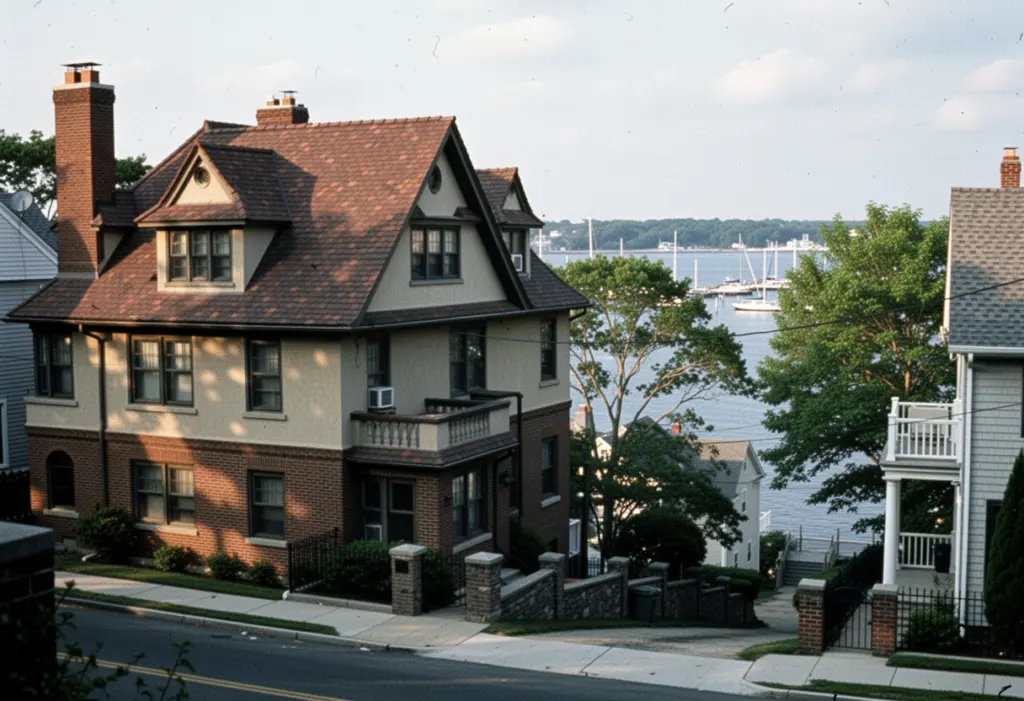
The Great Neck peninsula contains a number of separate incorporated villages alongside unincorporated areas within the Town of North Hempstead, and they are different governments with different building departments. The permit for your solar project comes from whichever one your property actually sits inside, and a mailing address does not reliably tell you which that is. Your property tax bill does: it lists the bodies that tax you, and the village named there is the one to call.
What that means in practice
Ask any installer, before you compare prices, which authority they intend to file with and whether they have filed there before. Fees, review times and inspection sequences differ from one village to the next on this peninsula, so a schedule quoted from experience in the next village along is a guess. The New York State Unified Solar Permit standardises applications for systems 25 kW DC and under and has been adopted by over 300 authorities having jurisdiction across the state, so it is worth asking whether your village is one of them.
Roof shapes that reduce what fits
Prewar houses here tend toward steep, complex roofs with dormers, hips, valleys and chimneys, and mid-century and rebuilt properties add their own geometry. Three consequences:
- Usable area is smaller than roof area. Setbacks for fire access, obstructions and short plane runs can cut a design well below what a satellite tool suggested. Ask for the module layout drawing rather than a kilowatt figure.
- Slate and tile are specialist surfaces. Attachment and flashing detail matters more than the panel brand, and the roof warranty afterwards is the question to press.
- Several small planes at different orientations favour microinverters or optimisers over a single string, and they raise the racking and labour cost per kilowatt. That is a legitimate reason two quotes for one house differ.
Water on both sides
The peninsula has harbour frontage, and lower-lying parcels near the shoreline can sit in mapped flood zones. Where they do, inverters, disconnects and any battery should be located above the base flood elevation, and the building department is likely to ask where they are. Get the flood determination before the design is fixed, and ask in writing where each item of equipment will be mounted and at what height, because moving it later changes conduit runs and service access.
The running cost, and the roofless alternative
PSEG Long Island operates the LIPA system here. The Customer Benefit Contribution is billed monthly on the DC size of the array regardless of production, for systems interconnected on or after 1 January 2022, and at the 2026 residential rate of $1.13 per kW-month a 7.5 kW array pays 7.5 x $1.13 = about $8.48 a month, roughly $102 a year. Rates are recalculated annually rather than locked in at interconnection. Mass-market residential projects settle under Phase One net metering at the full retail rate, held for 20 years from interconnection.
Plenty of households on this peninsula live in co-ops, condominiums and apartment buildings and do not control a roof at all. Community solar exists for exactly that case: no equipment on your property, and subscribers pay no capacity contribution, because the charge does not reach front of the meter projects. It buys you no equipment either, so there is nothing to claim on Form IT-255 — it is a bill arrangement rather than a tax event. Ask the sponsor what the subscription costs, how the credit appears on your bill and how you leave.
Property tax, checked body by body
RPTL 487 exempts the added value from property tax for 15 years where the taxing bodies have not opted out, and the opt-out belongs separately to a county, city, town or village by local law and to a school district by resolution. On this peninsula that means checking the village, the Town of North Hempstead, Nassau County and your school district separately — four lines on the tax bill, four possible answers, and two neighbouring houses in different villages can get different ones. The system must be constructed before 1 January 2030.
The 2026 position, and where to verify it
There is no federal residential credit for a buyer this year. Section 25D was terminated for expenditures made after 31 December 2025, with an expenditure treated as made when the original installation is completed, so any proposal for a Great Neck roof showing 30% federal has mispriced the job. The business-side credit does survive for the owner of a leased or PPA system, which is why third party offers still embed an incentive you never claim yourself.
What you can claim is the 25% state credit capped at $5,000 on Form IT-255, for equipment installed and used at your principal residence in New York, limited by the state tax you owe and carrying forward up to five years — and it reaches a lease or PPA of ten years or more, with the $5,000 acting as a lifetime ceiling for that agreement. NY-Sun is not part of it: NYSERDA’s last residential block on Long Island closed in April 2016, and as of September 2026 NYSERDA has no open NY-Sun block for homes in any utility territory; check NYSERDA’s NY-Sun dashboard for a new one. The state sales tax exemption applies to the equipment with the local share decided separately. Confirm the NY-Sun position with NYSERDA, the credit with the Department of Taxation and Finance, the exemption with your assessor, and your utility from the name on your own bill. The 11021, 11023 and 11024 postal areas cover most of the peninsula, and none of them tell you which village hall to call.
Frequently Asked Questions
Who issues a solar permit in Great Neck?
It depends which municipality the property sits in. The peninsula contains several separate incorporated villages plus unincorporated areas in the Town of North Hempstead. Your property tax bill names the village that taxes you.
Why do quotes for prewar Great Neck houses vary so much?
Steep, complex roofs with dormers, hips and valleys reduce usable area and split the array across small planes at different orientations, which raises racking and labour cost per kilowatt and favours microinverters or optimisers.
What if I live in a co-op or an apartment?
Community solar is the route where you do not control a roof. Subscribers pay no capacity contribution, but there is no equipment purchase, so there is nothing to claim on Form IT-255. Ask about cost, bill credit and exit terms.
Does the flood zone change the solar design?
Where a parcel is in a mapped zone, inverters, disconnects and any battery should sit above the base flood elevation, and the building department is likely to ask. Get the determination before the design is fixed.
This article is general information, not tax, legal or financial advice. Incentive amounts, eligibility rules and deadlines change and depend on your utility, your tax situation and your property. Confirm current terms with NYSERDA, your utility and a qualified tax professional before making a decision.
NY Solar Incentives
Independent New York solar research. We summarise NYSERDA, NY-Sun and federal programme rules from published sources and state plainly when a figure is an estimate. We are not a government agency and do not sell equipment.
Run the arithmetic on your own system
Check the dated program table and your arrangement before counting an incentive. Standard residential NY-Sun blocks are closed; Long Island Affordable Solar has a conditional income-verification route. The NY credit depends on qualified costs and tax liability, while the NYC abatement reduces future property-tax bills. The estimator keeps those timings separate.