Who Pays for Solar in a Multifamily Building?
Multifamily solar stalls on one structural problem — whoever pays for the array is usually not the person whose bill it reduces. Here are the four ways round it.
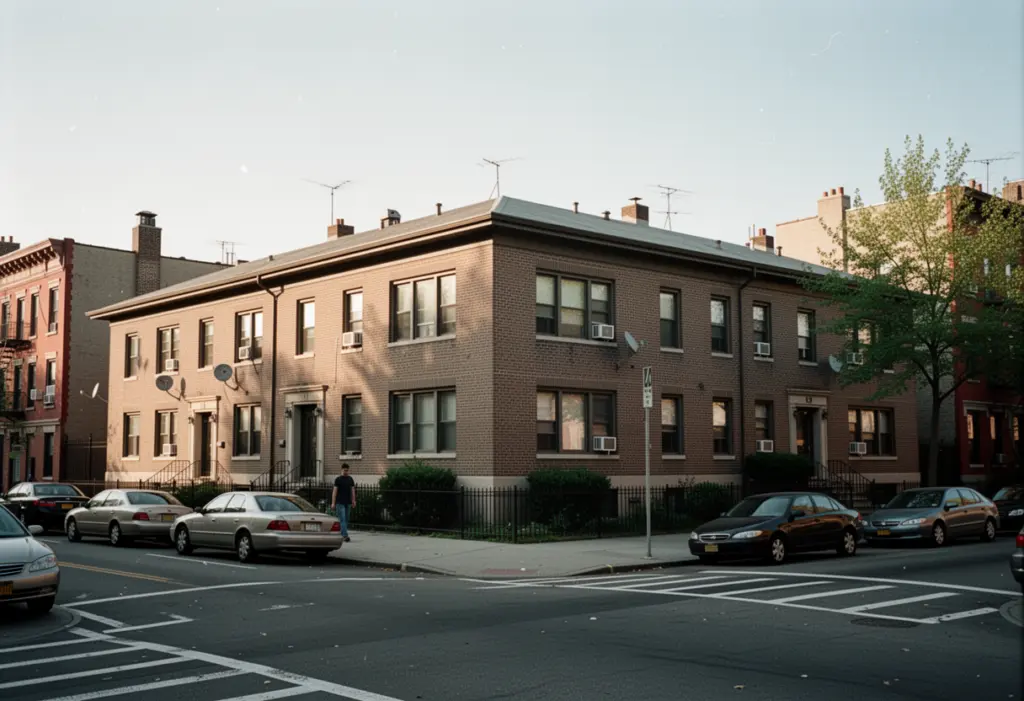
There is a specific reason multifamily solar lags behind single-family solar in New York, and it is not technical. It is called the split incentive, and once you can name it the options for getting round it become obvious.
The problem, stated plainly
The owner owns the roof and would pay for the array. The tenants pay the electricity bills that solar would reduce. So the person spending the capital is not the person receiving the benefit.
In a single-family house those are the same person and the decision is simple. In a rented building they are not, and no amount of enthusiasm about panels resolves it.
Four ways round it
1. Target the house meter
Almost every multifamily building has a common-area account — hallway and stairwell lighting, the boiler and its pumps, elevators, laundry, the compactor, exterior lighting. The owner pays that one.
A system sized against it offsets a cost the owner genuinely bears, so the incentive is aligned. The limitation is that this load is usually a modest fraction of the building’s total consumption, so the system is smaller than the roof could hold — but it is the version that actually gets built, because the economics work for the person signing.
2. Master-metered buildings
Where the owner buys all the electricity and recovers it through rent, the problem does not exist. The array offsets the account the owner pays, sized against the whole building’s load. This is the strongest multifamily case in New York and it is worth checking whether your building is in it before assuming otherwise.
3. Community solar for the tenants
Nothing on the building at all. Each tenant subscribes individually to an off-site array, and credits land on their own utility account. It requires no capital from the owner, no roof work, no board approval and no negotiation, and it is portable when the tenant moves.
For a building where the roof is unsuitable, the capital is not available, or the ownership question cannot be resolved, this is the answer that works today rather than after a two-year process.
4. Third-party ownership
A developer owns the system on the owner’s roof and sells the power or leases the roof space. The owner puts up no capital; the developer takes the tax position and the operating responsibility.
This is a genuine option and it is a genuine long commitment. Read the term, the escalator, what happens at the end, who is responsible for the roof beneath the array, and what happens if the building is sold. Take your own attorney.
The tax dimension
New York’s 25% credit on Form IT-255 is for an individual’s principal residence. It is not the provision that applies to a building owner’s system, which is a business asset — and the business-side treatment, including depreciation and the business investment tax credit, did not follow the residential credit into repeal at the end of 2025.
That asymmetry matters here: as of 2026 the tax position for a building owner is more favourable than the tax position for a homeowner, which is close to the reverse of what most people assume. It is a question for the owner’s accountant, and it is worth actually asking rather than assuming multifamily solar is a lost cause.
Where to start
- Establish the metering: master-metered, submetered, or individually metered with a house meter.
- Pull twelve months of actual usage for whichever account the owner pays.
- Get a roof condition report before anything else — sequencing the roof after the array is the most expensive mistake available here.
- Ask the owner’s accountant about the business-side position before assuming there is no incentive.
- If none of that resolves it, tell the tenants about community solar. It costs the building nothing and it works.
Frequently Asked Questions
What is the split incentive in multifamily solar?
The owner owns the roof and would pay for the array, while the tenants pay the electricity bills solar would reduce. The person spending the capital is not the person receiving the benefit, which is why multifamily solar lags behind single-family.
What is the easiest multifamily solar project to get built?
A system sized against the common-area house meter — hallway lighting, boiler, elevators, laundry — because the owner pays that account directly. It is smaller than the roof could hold, but the economics work for the person signing.
Is the tax position better for a building owner than a homeowner?
As of 2026, in many cases yes, which is the reverse of what most people assume. The residential credit ended for expenditures made after 31 December 2025, while the business-side investment tax credit and depreciation did not follow it. It is a question for the owner's accountant.
What can tenants do if the building will not install solar?
Subscribe to community solar individually. Credits land on each tenant's own utility account, it requires nothing from the owner or the building, and it is portable when the tenant moves.
This article is general information, not tax, legal or financial advice. Incentive amounts, eligibility rules and deadlines change and depend on your utility, your tax situation and your property. Confirm current terms with NYSERDA, your utility and a qualified tax professional before making a decision.
NY Solar Incentives
Independent New York solar research. We summarise NYSERDA, NY-Sun and federal programme rules from published sources and state plainly when a figure is an estimate. We are not a government agency and do not sell equipment.
Run the arithmetic on your own system
Check the dated program table and your arrangement before counting an incentive. Standard residential NY-Sun blocks are closed; Long Island Affordable Solar has a conditional income-verification route. The NY credit depends on qualified costs and tax liability, while the NYC abatement reduces future property-tax bills. The estimator keeps those timings separate.