Solar Permit Rejected in New York: What Happens Next
A rejected solar permit is nearly always a list of corrections rather than a refusal. The written comments are the document that decides both the fix and who pays for it.
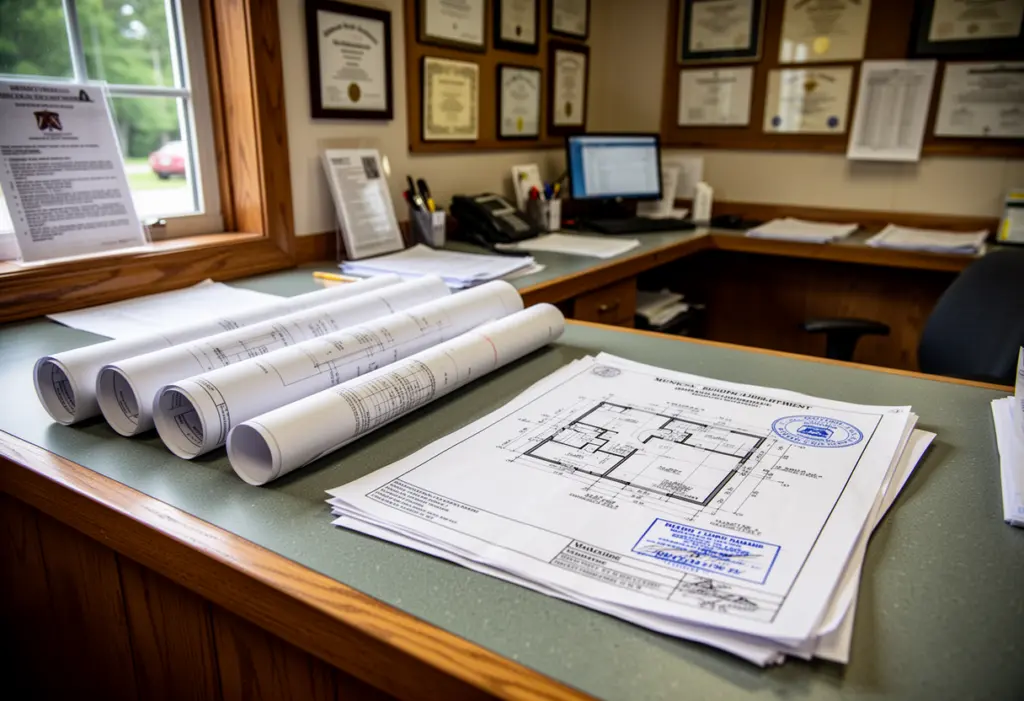
A rejected solar permit is almost always a correction notice rather than a refusal. Somebody at plan review found something missing, inconsistent or non-compliant, and wrote it down. Ask for those written comments and read them yourself, because they decide two separate things: what has to change, and who is paying for the change.
Get the comments in your own hands
Do not accept a summary over the phone. The comments are a document produced by the reviewing authority, and you are entitled to see what it actually says. A paraphrase from a salesperson is where a routine correction turns into a change order you did not agree to. If the comments name a code section, look it up or ask the reviewer which provision they are applying.
The families a rejection usually falls into
- Incomplete submission. Missing signatures or seals, an unlabelled drawing, a form left out, a specification sheet not attached. The most common and the least consequential.
- Structural documentation. The reviewer wants a stamped analysis of the roof carrying the array and the snow load, or wants the one supplied to address something specific.
- Electrical detail. How the array ties into the service, the panel board rating, overcurrent protection, labelling and rapid shutdown.
- Fire access. Setbacks and pathways that the layout does not respect, which may mean a genuinely smaller array.
- Zoning. Almost always a ground mount or a canopy: lot line setbacks, height, coverage, screening or a required special permit.
- Overlays. Historic district or landmark review, floodplain, or a homeowners association requirement running alongside the municipal one.
Who fixes it, and who pays
In most residential contracts the installer is responsible for obtaining the permit, which means resubmission is their job. Whether resubmission fees and any redesign are also theirs is a separate question your contract should answer. Check it now rather than during the argument. And be alert to the specific case where the fix is a smaller array: if fire access setbacks remove two modules, the price should fall with the system size, and the production and payback figures you were sold need to be reissued rather than quietly left standing.
When it is not a correction
Occasionally the design genuinely is not permitted — a ground mount in a setback, a height a district does not allow, a structure where accessory buildings are restricted. Then the route is a variance or a special permit, which is a public process with its own hearing calendar and no guaranteed outcome. That is a project of its own. Be realistic about the timeline before spending money on a redesign that depends on winning it, and ask what the alternative compliant design would look like in the meantime.
What a delay actually costs you
Two things, and only one of them is obvious. Neither is a federal deadline: the 30 percent residential credit at section 25D was terminated for expenditures made after 31 December 2025, so there is no federal clock left to miss and no 2026 quote should show one.
The obvious one is production. A system that misses a summer produces materially less in its first year than the proposal assumed, and every payback figure quietly shifts.
The less obvious one is the incentive line on an older proposal. NY-Sun is structured as megawatt blocks, and each regional block closes when it fills. As of September 2026 NYSERDA has no open NY-Sun block for homes in any utility territory; check NYSERDA’s NY-Sun dashboard for a new one. So a proposal written months earlier may still subtract a NY-Sun incentive that a stalled project cannot count on. Ask your contractor whether the quoted price depends on NY-Sun and, if it does, which block it was applied for and when, and check that against the dashboard rather than assuming a figure from a proposal written months earlier.
The sequence you are trying to get back onto
Permit issued, installation, electrical inspection, then permission to operate from the utility. That last date is worth recording: Phase One net metering credits exports at the full retail rate for 20 years from interconnection, and the Customer Benefit Contribution applies to systems interconnected on or after 1 January 2022. It is billed monthly on DC size rather than production — on Orange & Rockland at $1.00 per kW-month for 2026, an 11 kW array is $11 a month, $132 a year — and the rates are recalculated annually rather than fixed when you connect.
One structural note
Where a municipality has adopted the NYS Unified Solar Permit, submission requirements for systems of 25 kW DC and under are standardised, which removes a whole family of avoidable rejections. The five boroughs sit outside it: New York City permits through the Department of Buildings instead. If you are choosing between installers, one who has permitted repeatedly in your specific town is worth more than one who has not, for reasons this article is entirely about.
Frequently Asked Questions
Does a rejected solar permit mean I cannot install solar?
Rarely. It is almost always a correction notice listing what has to change before the permit issues. Ask for the written comments from the reviewing authority and read them yourself rather than accepting a summary.
Who pays to fix a rejected permit?
Most residential contracts make the installer responsible for obtaining the permit, so resubmission is their work. Whether resubmission fees and redesign are also theirs is a separate contract question worth settling before the argument.
What if the design genuinely is not allowed?
Then the route is a variance or special permit, which is a public process with a hearing calendar and no guaranteed outcome. Ask what a compliant alternative design would look like before spending money on a redesign that depends on winning.
Does a permit delay cost me money?
Yes, twice. You lose first-year production, and an older proposal may still subtract a NY-Sun incentive even though, as of September 2026 NYSERDA has no open NY-Sun block for homes in any utility territory, so ask which block any NY-Sun line was applied for before relying on it.
This article is general information, not tax, legal or financial advice. Incentive amounts, eligibility rules and deadlines change and depend on your utility, your tax situation and your property. Confirm current terms with NYSERDA, your utility and a qualified tax professional before making a decision.
NY Solar Incentives
Independent New York solar research. We summarise NYSERDA, NY-Sun and federal programme rules from published sources and state plainly when a figure is an estimate. We are not a government agency and do not sell equipment.
Run the arithmetic on your own system
Check the dated program table and your arrangement before counting an incentive. Standard residential NY-Sun blocks are closed; Long Island Affordable Solar has a conditional income-verification route. The NY credit depends on qualified costs and tax liability, while the NYC abatement reduces future property-tax bills. The estimator keeps those timings separate.